Practices
Two practices, one perspective.
Both grounded in twenty years of architecture and product leadership across industrial and energy enterprises.
Platform Businesses
Turning connected pilots into scalable platform models.
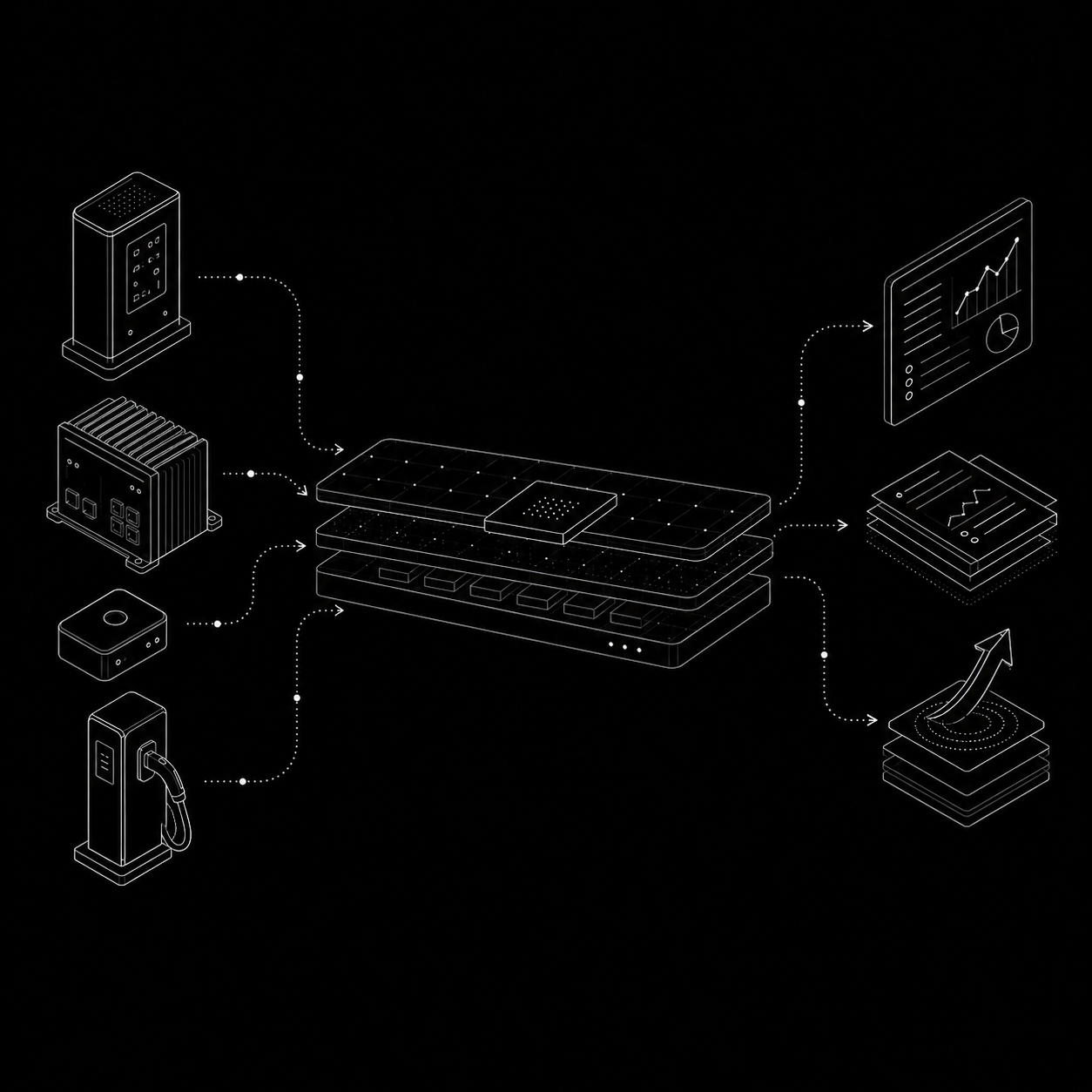
In short
- 4–6 week diagnostic with hands-on written assessment
- Six-month engagement delivers defended architecture, monetization model, ownership clarity
- For VP and C-level platform owners with installed base in tens or hundreds of thousands of units
How engagements start
Most engagements begin with a 4–6 week diagnostic. I sit with the existing platform thesis, the product portfolio, the integration landscape, and the commercial model, and read them against each other. The output is a written assessment of where the platform stands today, where the architecture, product, and operating model are out of sync, and which two or three moves matter in the next twelve months. The work is hands-on. I read code, integration specs, and contracts, not just slides.
What changes after 3–6 months
By the end of a six-month engagement, the platform has a defended reference architecture, a monetization model with explicit unit economics, and a clear ownership structure across product, engineering, and commercial. Roadmap conversations move from feature lists to capability investments. Decisions that used to take quarters get made in weeks because the architectural and commercial logic is shared.
Who this is for
VP and C-level owners of a connected-product or platform P&L inside an industrial enterprise, typically with an installed base in the tens or hundreds of thousands of units, a working pilot, and a board mandate to move from pilot to platform business. Common titles: Chief Digital Officer, VP Digital Products, Head of Platform.
Typical deliverables
Reference architecture for the platform and its product surfaces. Capability and ownership map across product, engineering, and commercial. Monetization model with pricing logic, margin structure, and partner economics. Twelve-month sequencing plan with explicit decision gates. Briefings prepared for executive committee and board review.
IT/OT Architecture
Convergence with governance that holds.
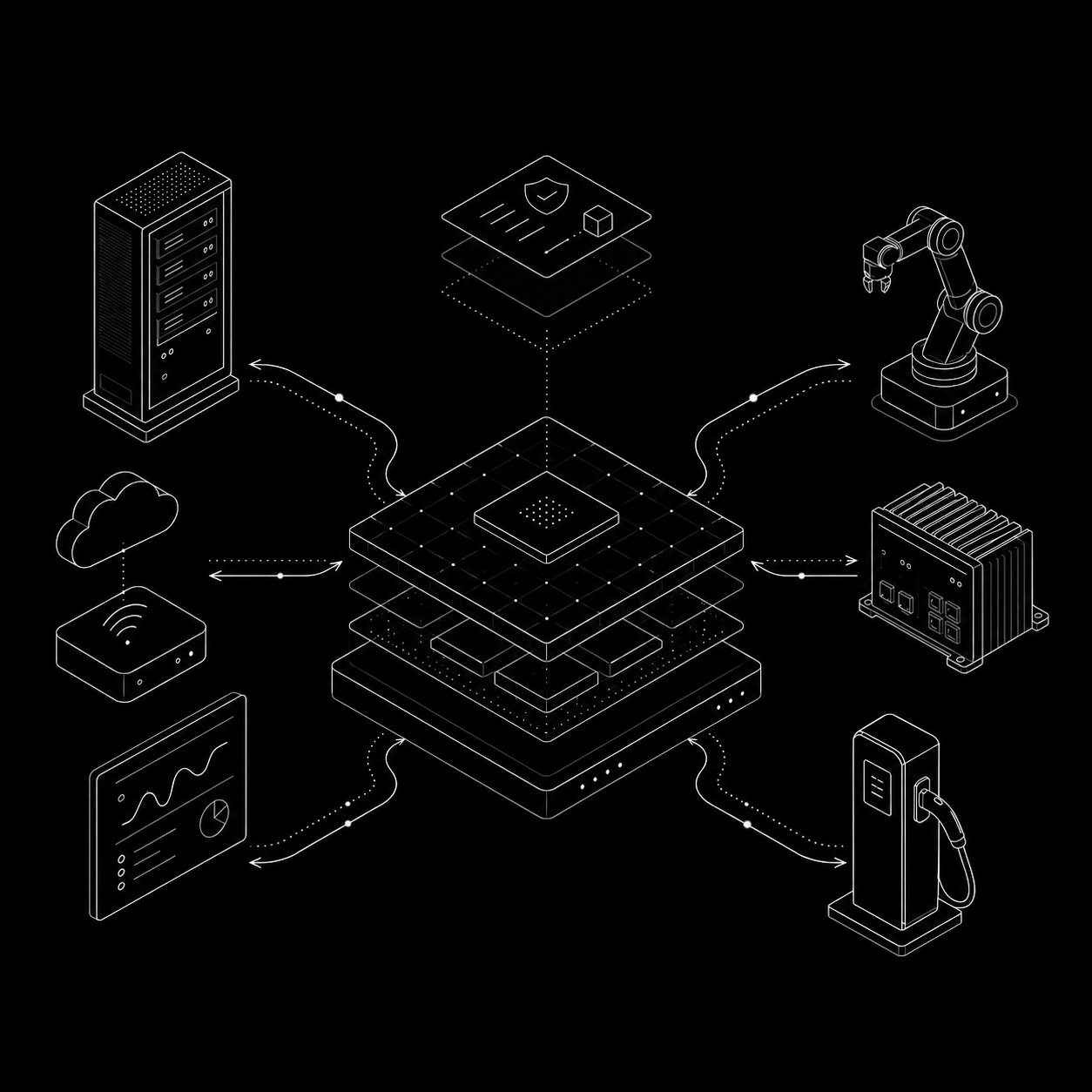
In short
- 4–6 week structured read of IT and OT estates side by side
- Six-month engagement delivers modular reference architecture, capability model, governance design
- For CIOs, CTOs, and Heads of Operations in regulated industrial enterprises
How engagements start
Engagements open with a structured read of the IT and OT estates side by side: reference architectures where they exist, integration patterns in production, governance bodies, lifecycle and risk regimes on both sides. In the first 4–6 weeks I produce a written diagnosis of where the two operating models meet, where they collide, and which integration points carry the most operational and regulatory weight.
What changes after 3–6 months
After six months, the enterprise has a modular reference architecture that both IT and OT recognize as their own, a capability model that names ownership for every layer, and a governance design that survives organizational change. Convergence projects stop being negotiated case by case and start running against a shared roadmap.
Who this is for
CIOs, CTOs, and Heads of Operations / Manufacturing IT in industrial and energy enterprises where shop floor and enterprise IT have grown along separate tracks and now need to share a roadmap. Typical context: a regulated environment, multi-site operations, and an active modernization or digitalization programme that has stalled at the IT/OT seam.
Typical deliverables
Layered reference architecture covering enterprise IT, industrial IT, and OT. Capability model with ownership and accountability mapped end to end. Operating model design for converged governance, including decision rights and escalation paths. Integration and security blueprints for the most load-bearing seams. Roadmap with sequenced investment and decommissioning decisions.